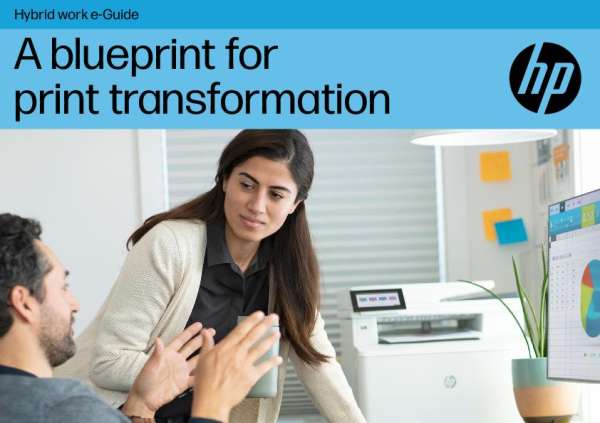
Hybrid work refers to a flexible working model that allows employees to split their time between working in the office and working remotely. This approach has emerged as a response to the disruptions caused by the pandemic, reshaping our understanding of productivity and collaboration. Organizations are now rethinking their strategies to accommodate a workforce that values flexibility and autonomy in how and where they work.
How can organizations support a hybrid workforce?
To support a hybrid workforce, organizations should develop a clear hybrid work strategy informed by data. This includes investing in the right technologies that facilitate seamless collaboration, ensuring security protocols are in place, and understanding the unique needs of different employee roles. It's also important to foster a culture that encourages communication and collaboration, regardless of where employees are working.
What role does print play in a hybrid work environment?
In a hybrid work environment, organizations need to rethink their printing strategies by integrating print solutions that support remote and in-office work. With 73% of employees working from home printing the same amount or more, it’s essential to automate paper-based workflows and connect them to digital systems. This approach not only enhances productivity but also ensures that information flows smoothly across the organization, regardless of where employees are located.




 Sign in with LinkedIn